The Paper Bag in the New Bioeconomy
Through it, one can understand how materials evolve, how consumption habits change, how companies innovate, and where Europe is heading regarding sustainability.
Part of the Bioeconomy
The Circular Life of the Paper Bag
Two connected circles, one purpose: a more sustainable future
Natural Cycle
Material Circularity
Commercial Cycle
Value Circularity
1. Managed Forest
Renewable origin. As it grows, the forest captures CO2 from the atmosphere.
5. Retail
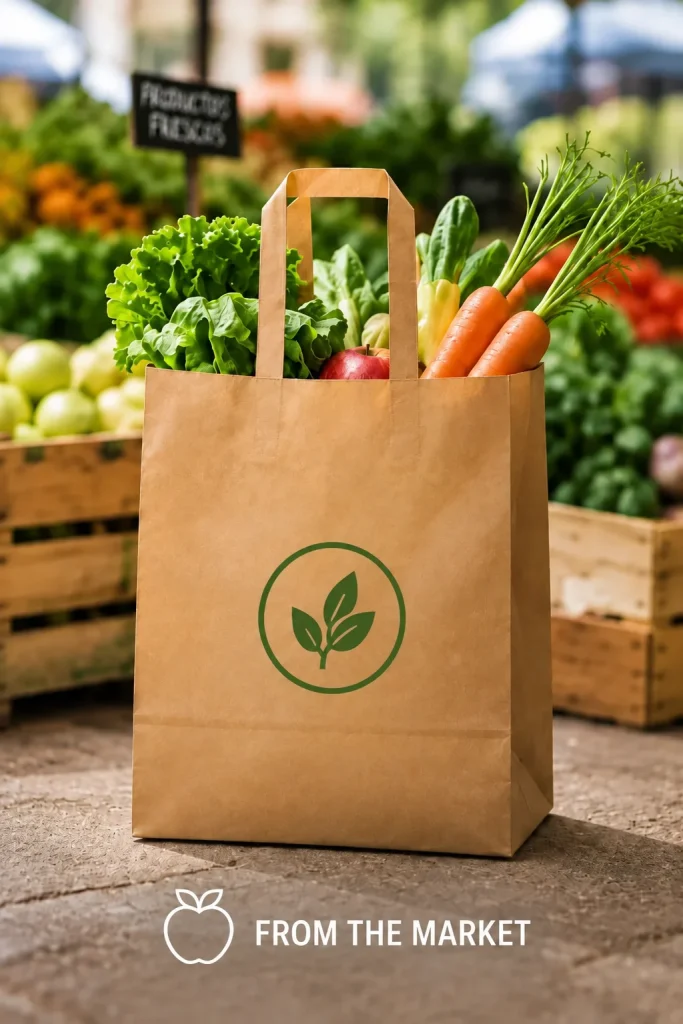
The paper bag protects products and communicates the retail sector’s commitment to sustainability.
2. Wood
Wood from managed forests is transformed into cellulose fibre.
6. Consumer
Consumers reuse the bag, extending its useful life and reducing environmental impact.
3. Paper Mill
Fibre becomes paper, a natural, renewable, and recyclable material.
7. Reuse
The bag has a second, third… life. It is reused for multiple everyday purposes.
4. Bag Manufacturing
Paper is transformed into functional, strong, and sustainable paper bags.
8. Recycling
Renewable origin. As it grows, the forest captures CO2 from the atmosphere.
Sustainability that generates value
Natural Cycle
Material Circularity
Commercial Cycle
Value Circularity
1. Managed Forest
Renewable origin. As it grows, the forest captures CO2 from the atmosphere.
2. Wood
Wood from managed forests is transformed into cellulose fibre.
3. Paper Mill
Fibre becomes paper, a natural, renewable, and recyclable material.
4. Bag Manufacturing
Paper is transformed into functional, strong, and sustainable paper bags.
5. Retail
The paper bag protects products and communicates the retail sector’s commitment to sustainability.
6. Consumer
Consumers reuse the bag, extending its useful life and reducing environmental impact.
7. Reuse
The bag has a second, third… life. It is reused for multiple everyday purposes.
8. Recycling
Renewable origin. As it grows, the forest captures CO2 from the atmosphere.
Stores CO₂
The Paper Bag Mitigates Climate Change
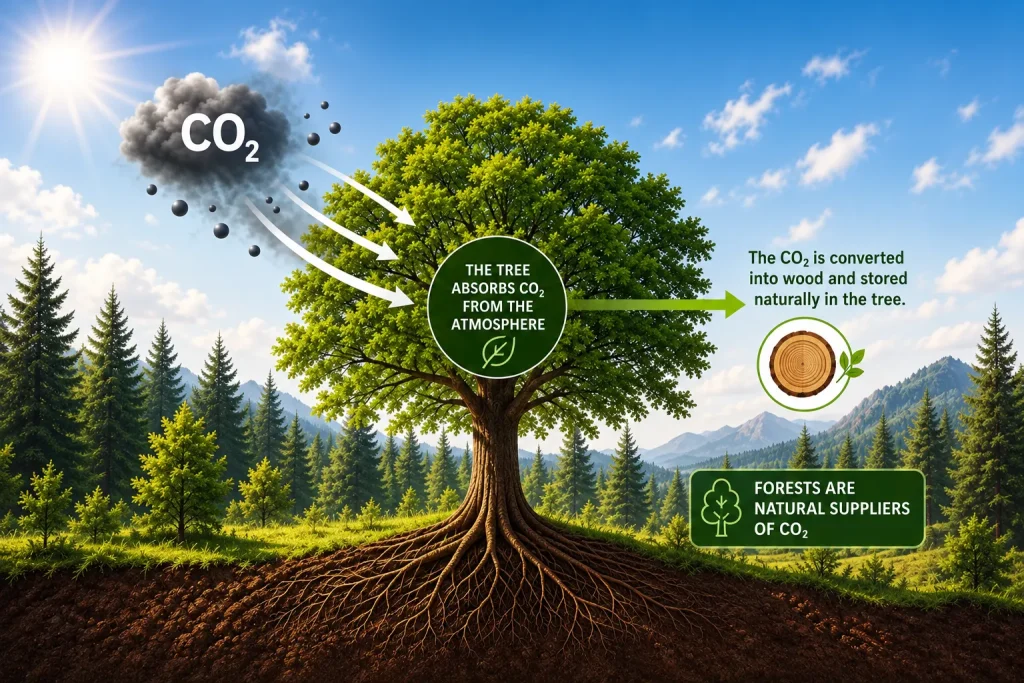
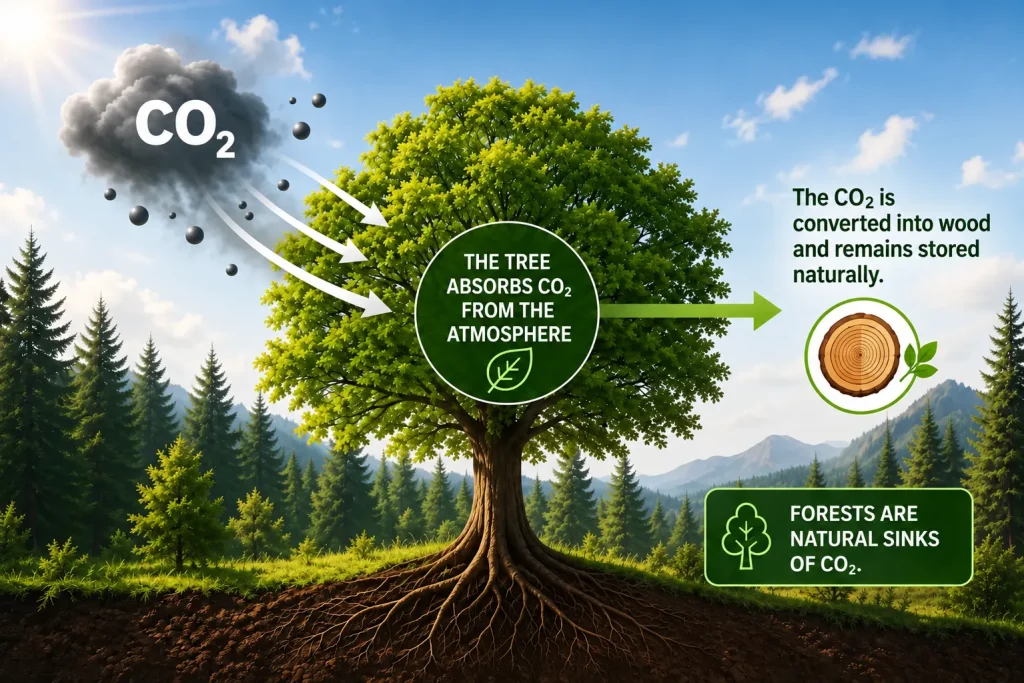
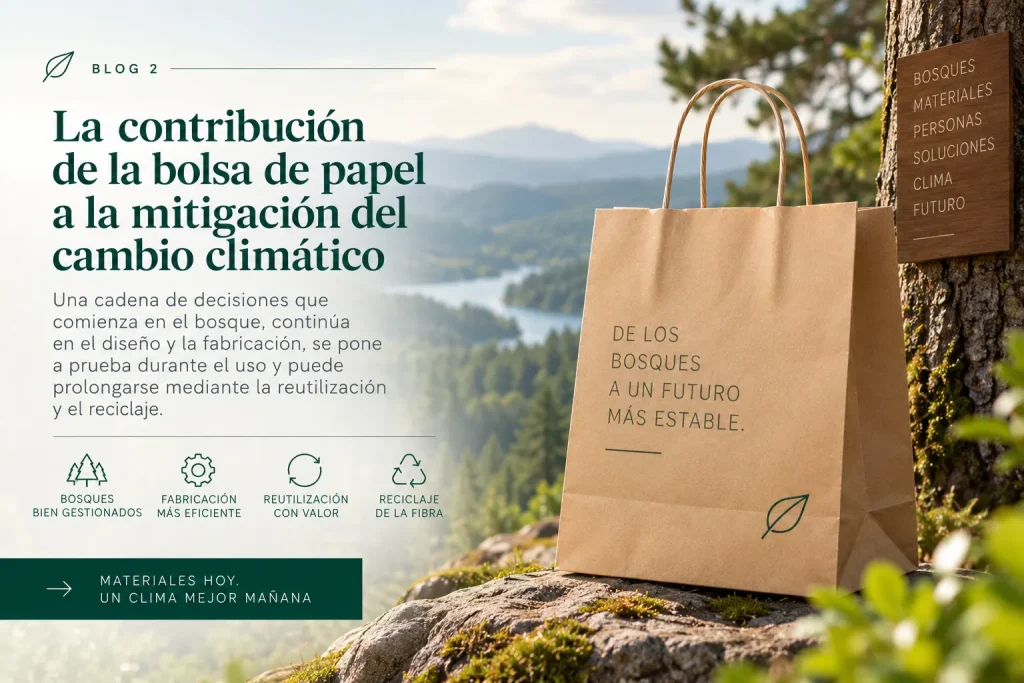
Plantations in paper-producing forests absorb and retain CO₂ from the environment. This carbon remains fixed throughout the life of the paper bag and its successive recycling cycles.
As they grow, trees capture CO₂ from the atmosphere through photosynthesis and naturally incorporate it into wood fibres.
The carbon remains stored in cellulose fibres throughout the product's life, even when the paper becomes a bag.
One kilogram of paper – about seven bags – stores approximately 1.3kg of CO₂. And each reuse extends that storage.
Chosen in stores
is preferred by consumers
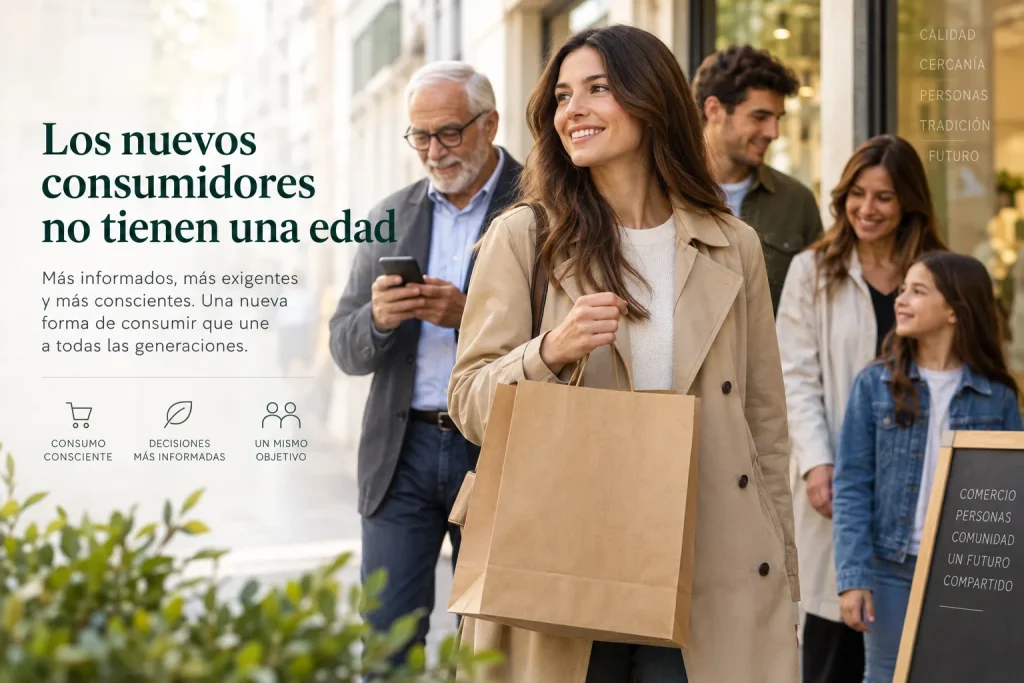
Consumers increasingly value packaging materials, the environmental information they provide, their end-of-life, and their potential impact on the environment.
The latest studies show clear and consistent results: the paper bag is the option that best meets their expectations.
Prefers to receive purchases in a paper bag.
Consumers choose paper because they associate it with a more natural, sustainable, and environmentally friendly material.
Appreciates paper for its texture.
Consumers value the feel of paper for being natural, pleasant, and high-quality, which reinforces the perception of a more authentic and carefully crafted product.
Reuses paper bags in daily life.
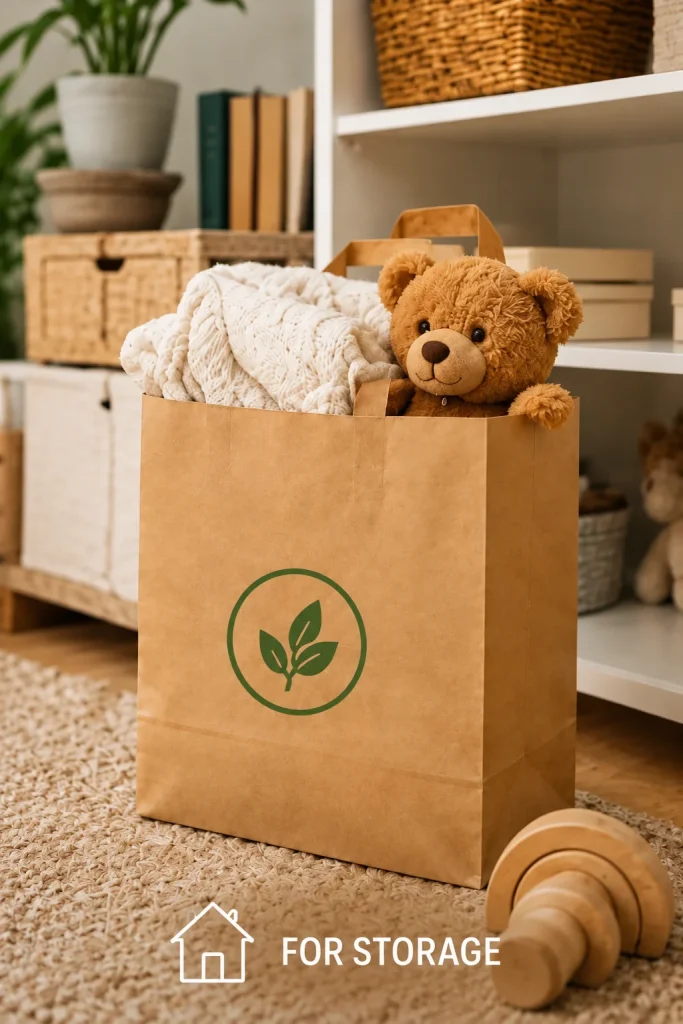
They use them multiple times for new purchases, transporting items, or storing products at home.
Associates the paper bag with more responsible retail.
For consumers, the bag a retail business provides reflects its values and its approach to sustainability.
Brand Image
The paper bag also speaks volumes about your retail business
Passers-by notice the brands printed on the bags carried by others.
Associates the paper bag with a retail business committed to the environment.
The bag you hand out today will continue to speak about your retail business wherever it goes.
*Study conducted by IPSOS
Reusable
One purchase, many uses
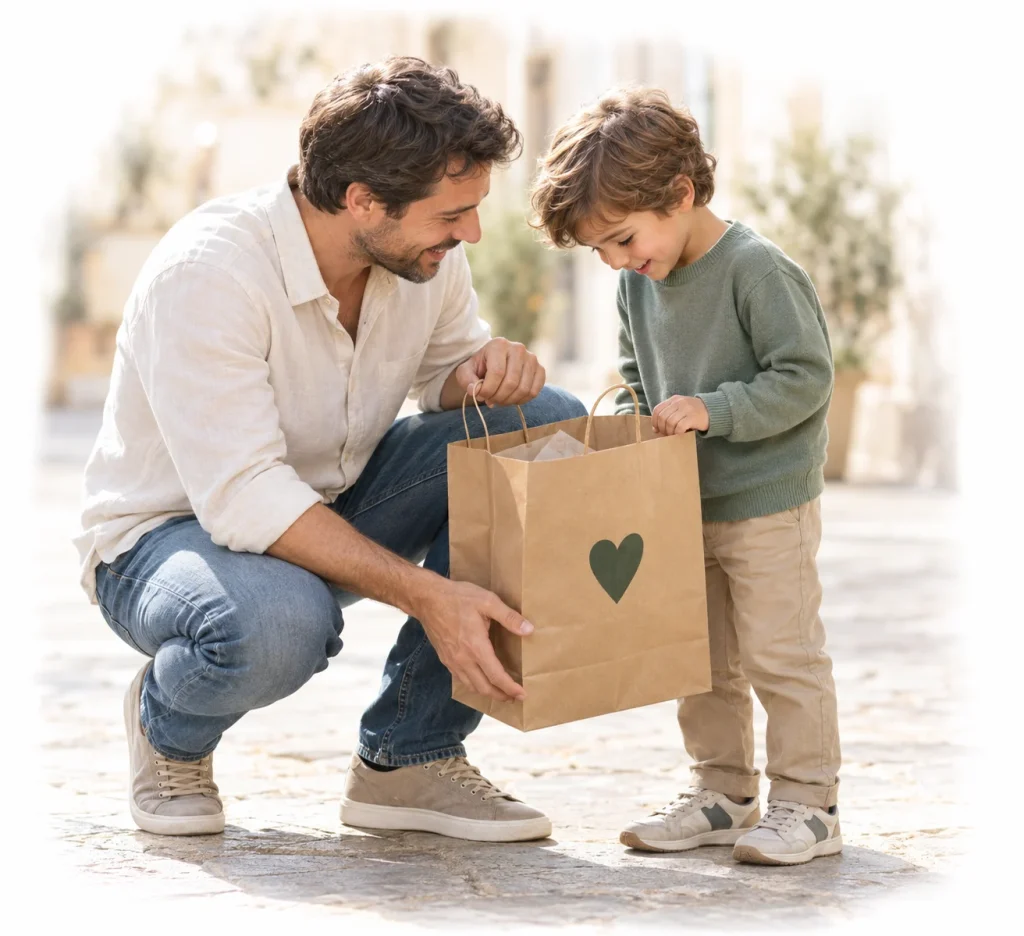
Reusing a paper bag is common; its strength and functionality allow it to be used beyond a single occasion. Scientifically proven, find out more.
Capacity
Much stronger than you imagine.
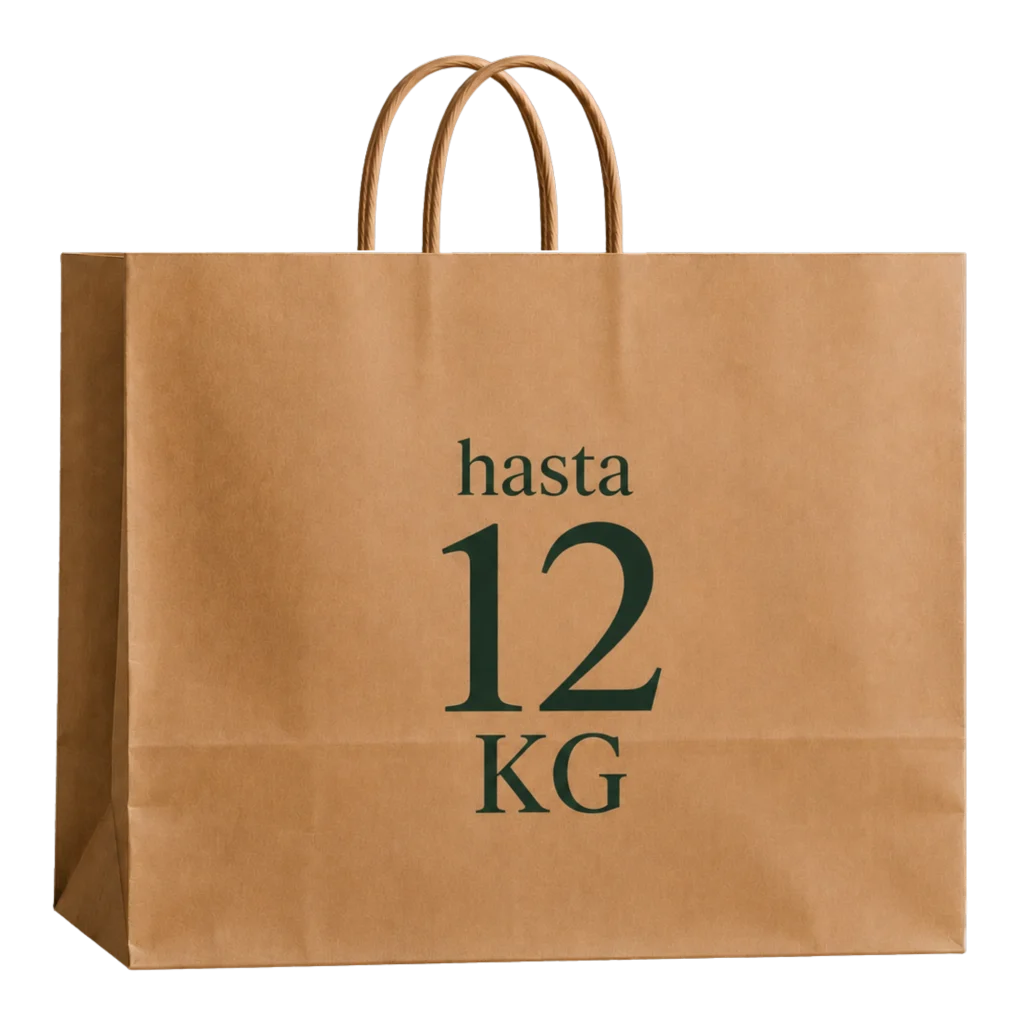
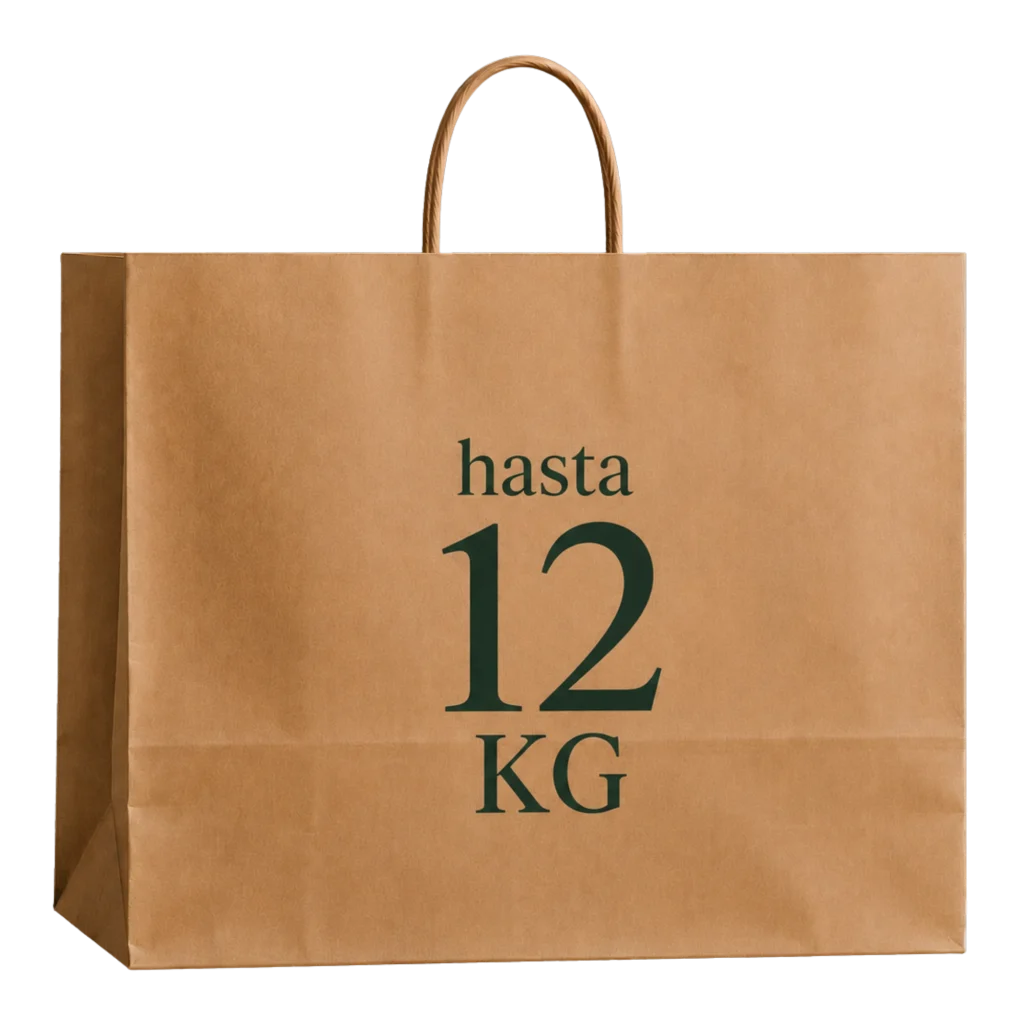
Although paper is often associated with fragility, the reality is different: ITENE tests show that paper bags safely support up to 12 kilograms, even with wet or sharp products.
The life of a paper bag doesn’t end when the shopping trip is over: that’s when another stage begins. It withstands several complete cycles, according to ITENE, and finds new life with each reuse, for new purchases or for the home.
Blog
News, data, and updates on the paper bag.
About Us
Platform driven by the paper bag industry
Behind every paper bag there is much more than just a product. There are forest owners, engineers, technicians, designers, and companies that have been innovating for decades to meet the needs of the retail sector.
We are manufacturers of bags, paper, handles, inks, and machinery, united to promote sustainable consumption and innovate in service of retail and consumers.
Long before Europe promoted the new regulatory framework, the paper bag was already moving in that direction. The future doesn’t start today: it has been built over many years.