The Paper Bag is reused

At least four more shopping trips after the first one, verified in the laboratory by ITENE. Its strength does not run out when you get home: it starts over every time you pick it up.

The second half of its story begins when it arrives home.

The myth

One purchase, many uses

For years, the paper bag has been wrongly associated with being a single-use product. Reality proves otherwise: they are designed to remain useful once they reach the home.

Its strength and functionality allow it to be used again for new purchases, to carry personal items or to store belongings. The load changes, but the bag continues.

Person from behind leaving a shop with a kraft paper bag with flat handles and a green leaf logo in a circle.
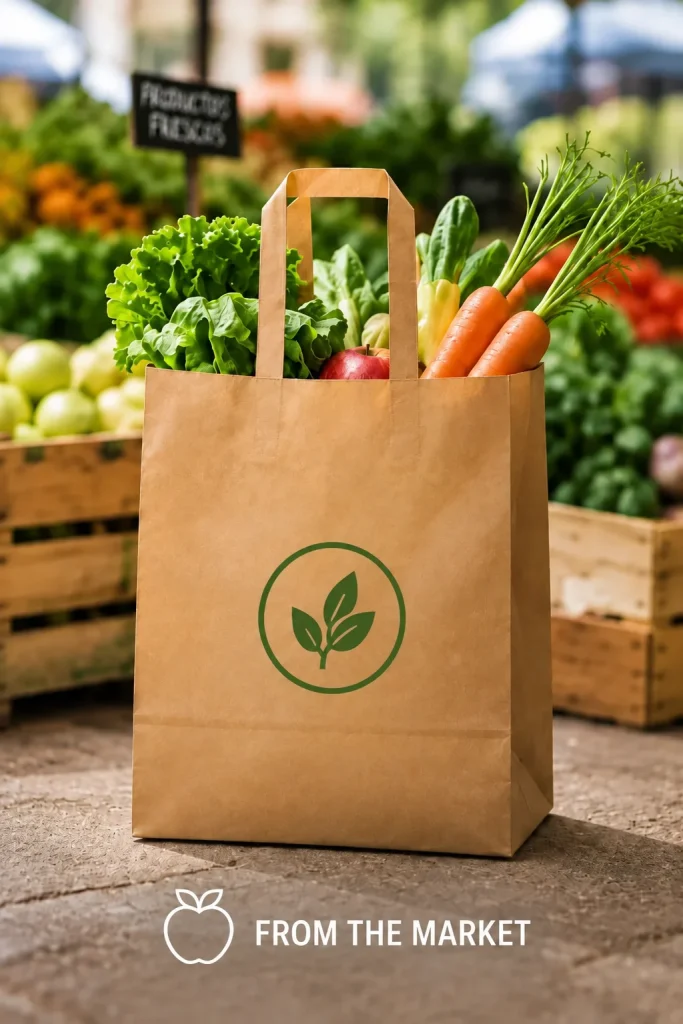
Kraft paper bag with green leaf logo filled with fresh vegetables, including carrots and lettuce, next to a market stall.
Kraft paper bag with green leaf logo on a wooden table, filled with books, with a bookshelf in the background.
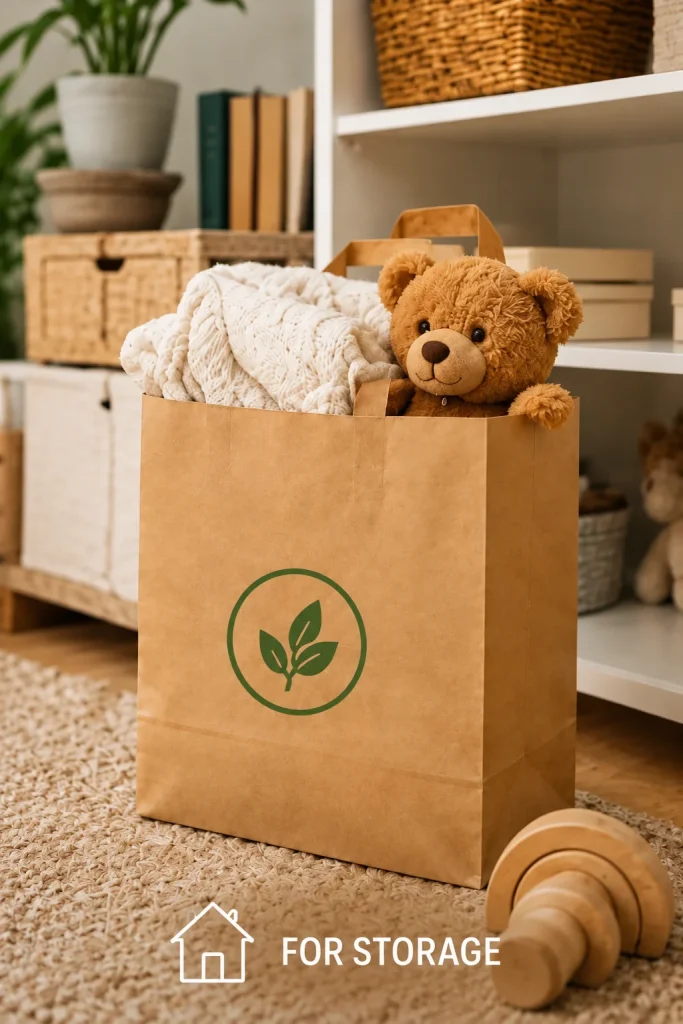
Kraft paper bag with green leaf logo holding a teddy bear and a knitted blanket in a room with shelves and wooden toys.

9 out of 10 consumers reuse paper bags

SOURCE:

0 %

To go shopping again

0 %

To carry their things

0 %

to store belongings

The action

The concept of reuse

Every time we reuse a bag, we extend its useful life and make better use of the resources used to manufacture it. When that new use avoids the need for another bag, we also reduce the need to consume more materials to fulfil the same function.

For this reason, it is worth keeping it after shopping and having it to hand for when it is needed again. Reusing a paper bag is a simple action that we can incorporate into our daily tasks.

It is as simple as continuing to use it as long as it remains useful.

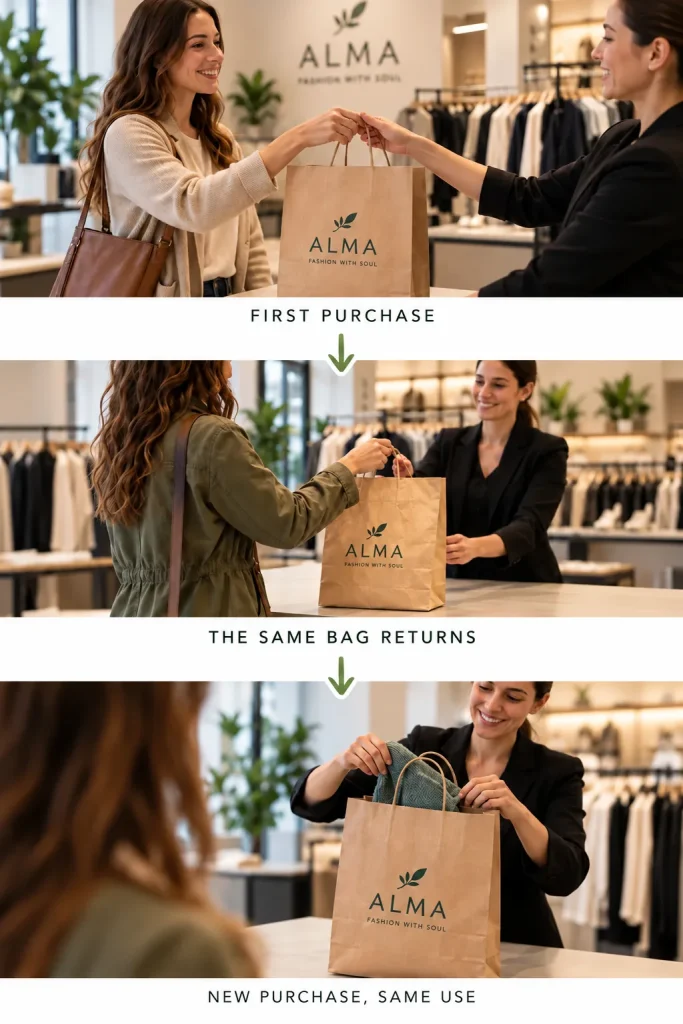
Sequence in three scenes in a fashion shop 'Alma, moda con alma': a customer receives a kraft paper bag with her first purchase, returns with the same bag and, for a new purchase, the shop assistant places a garment in it. Captions: 'First purchase', 'The same bag returns', 'New purchase, same use'.

This continuity is part of consumer habits.

Sequence in three scenes in a fashion shop 'Alma, moda con alma': a customer receives a kraft paper bag with her first purchase, returns with the same bag and, for a new purchase, the shop assistant places a garment in it. Captions: 'First purchase', 'The same bag returns', 'New purchase, same use'.

The shopping changes.

The bag remains the same.

Verified

Laboratory tested, four uses or more

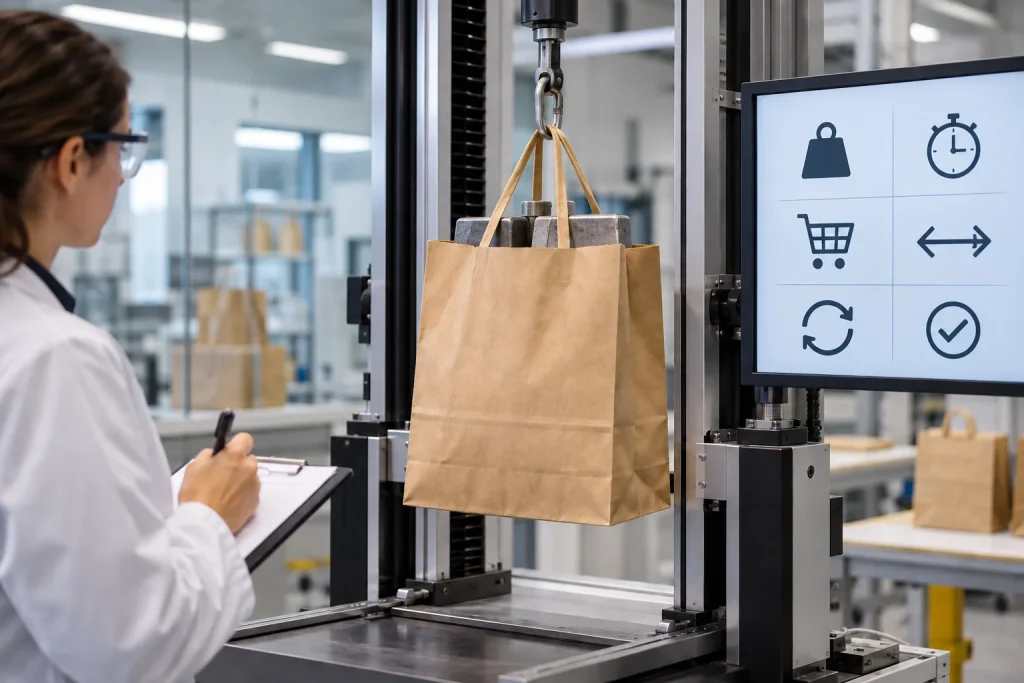
Reusing a bag means using it again for the same purpose for which it was designed: carrying a purchase. ITENE, the Technological Institute for Packaging, Transport and Logistics, put it to the test and established a minimum of four reuses as a benchmark.

The bags evaluated passed five sequences of tensile and fatigue tests, regardless of the type of handle, both in the textile trade and in other commercial uses.

Laboratory technician in a white coat and safety goggles takes notes on a clipboard while a tensile testing machine holds a kraft paper bag loaded with weight hanging from its handles; a screen shows icons for weight, time, shopping and cycles.

SOURCE: ITENE, ‘Evaluation method for the reusability of paper bags’. It takes the definition of reuse from Law 11/1997 and Directive 94/62/EC as a reference.

And when it can take no more,

its other life begins.

Several kraft paper bags with handles next to a shop window, with one in the foreground featuring a green recycling symbol.

Through recycling

The same fibre, up to 50 times more.

Large paper bag loaded with supermarket shopping

To carry everything

Twelve kilos of load: why it withstands so many uses.

About Us

Who manufactures these bags?

Behind every paper bag there is much more than just a product. There are forest owners, engineers, technicians, designers, and companies that have been innovating for decades to meet the needs of the retail sector.

We are manufacturers of bags, paper, handles, inks, and machinery, united to promote sustainable consumption and innovate in service of retail and consumers.

Long before Europe promoted the new regulatory framework, the paper bag was already moving in that direction. The future doesn’t start today: it has been built over many years.